
What children taught me in the quiet moments of displacement
By Natasha Jha | CARE Nepal |Accountability Officer
[Sometimes, what stays with us from a response is not a distribution figure, but a moment we witnessed along the way.
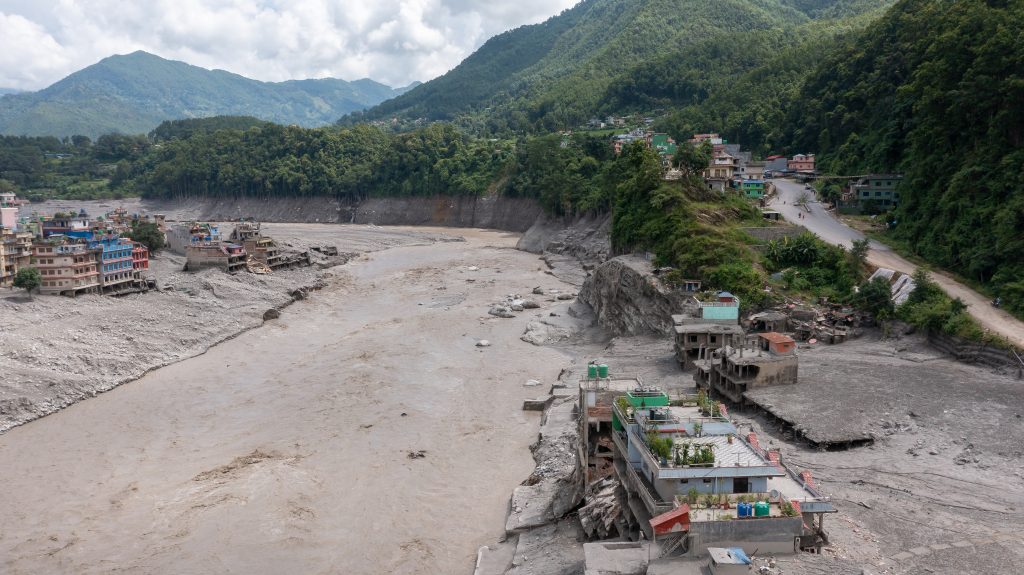
In late August, communities along the Bhotekoshi–Trishuli river corridor were severely affected by floods and debris flows, displacing families, damaging homes and infrastructure, and disrupting everyday life. As response efforts continue across affected areas, our colleagues and partners have been working alongside communities to support immediate needs and recovery.
This is our colleague’s personal reflection from those first days in Nuwakot—on children, displacement, and what stays with us when we return from the field.]
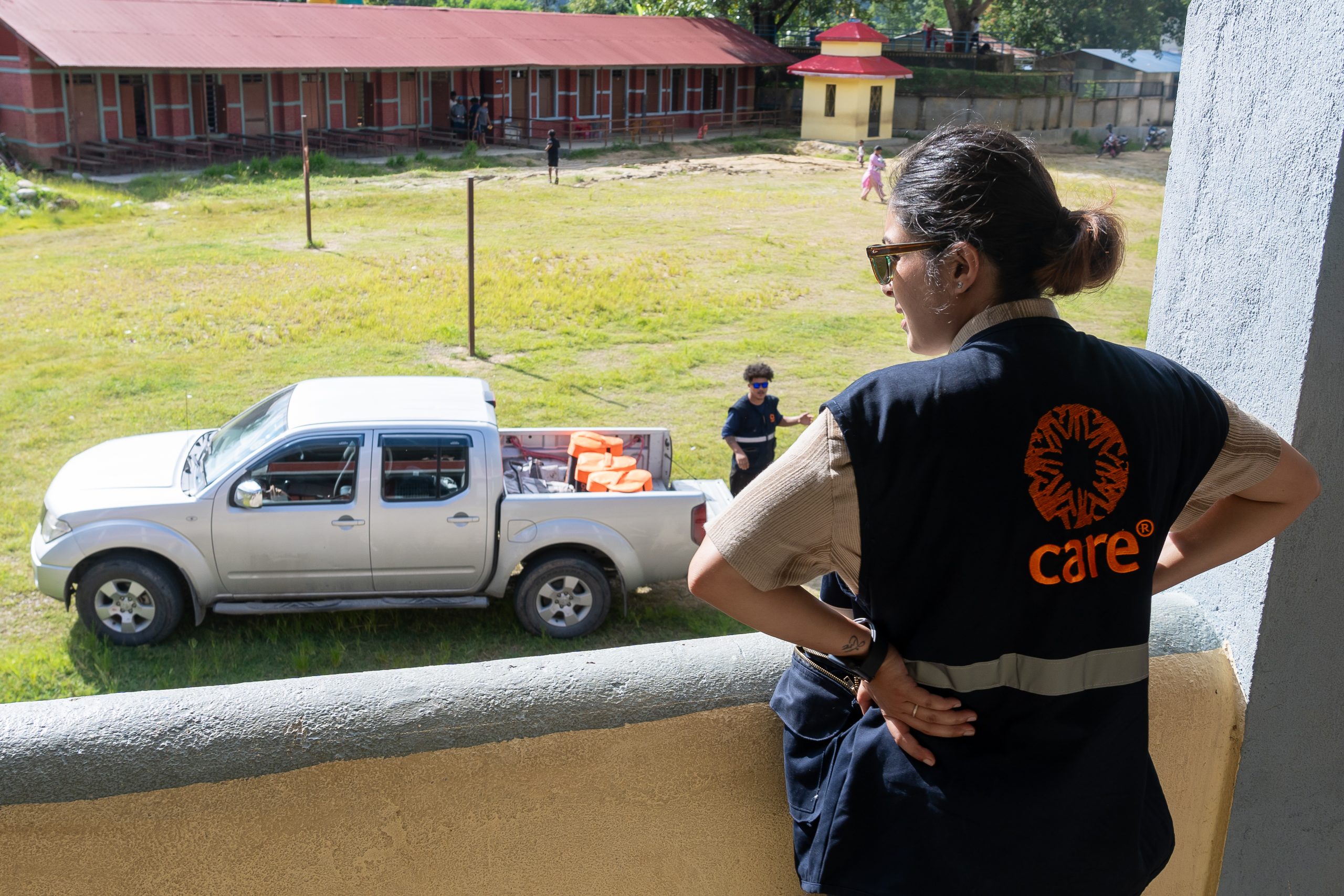
I think this was my first day in Nuwakot, 31 August and second day of our action. We were loading relief materials that were to be distributed in Belkotgadhi Ward 7. Subash Ji was helping load the materials, and while everyone was occupied with the preparations, my attention drifted elsewhere.
Below us, children of all ages were playing.
For context, we were at a school that had been converted into a holding centre for displaced families. I cannot recall its name now, but I remember the scene vividly. I stood there watching the children play and wondered what was going through their minds.
Perhaps they had questions that adults could not answer. Why are we here? Why aren't we in our classrooms studying? Why are we living in this place instead of our homes?
Or perhaps they saw it differently. Maybe they were simply enjoying the unexpected adventure of being surrounded by friends all day. Maybe, in their minds, it felt like a break from routine rather than a disruption of life.
As I watched them run around, I was struck by their innocence. Children have a remarkable ability to continue being children, even in circumstances that would overwhelm adults. For a moment, disaster seemed absent from their world.
My eyes then wandered to a group of adolescent boys and girls nearby. Unlike the younger children, they appeared more aware of what had happened. I found myself thinking about the long-term impact this disaster might have on them. Displacement is not only physical. It can also be deeply emotional.
Adolescence is already a time when many young people struggle to find where they belong. It is a period of shaping identities, forming dreams, planning futures, and imagining the people they want to become. Yet nature had interrupted that process and displaced them from the spaces that once provided stability and certainty.
I wondered what memories they would carry from this experience. What fears, lessons, experiences or resilience would become part of who they are?
I looked around at the hills surrounding us. The landscape was beautiful, almost breathtaking. The children were laughing, the sky was calm, and the mountains stood quietly in the distance. Everything seemed peaceful if one chose not to look too closely.
And that is perhaps the paradox of nature. The same beauty that inspires awe can also leave devastation in its wake. The hills that looked so serene were also reminders of the forces that had uprooted families from their homes.
This observation of children living through displacement stayed with me throughout the trip. I noticed the same patterns again in Ward 8. Different faces, different stories, but the same quiet reality: children continuing to play, dream, and grow amidst uncertainty, carrying burdens that were perhaps too heavy for their age, yet facing them with a resilience that adults often struggle to understand. Watching them reminded me that even in displacement, children remain children—with their own ways of making sense of what is happening around them.
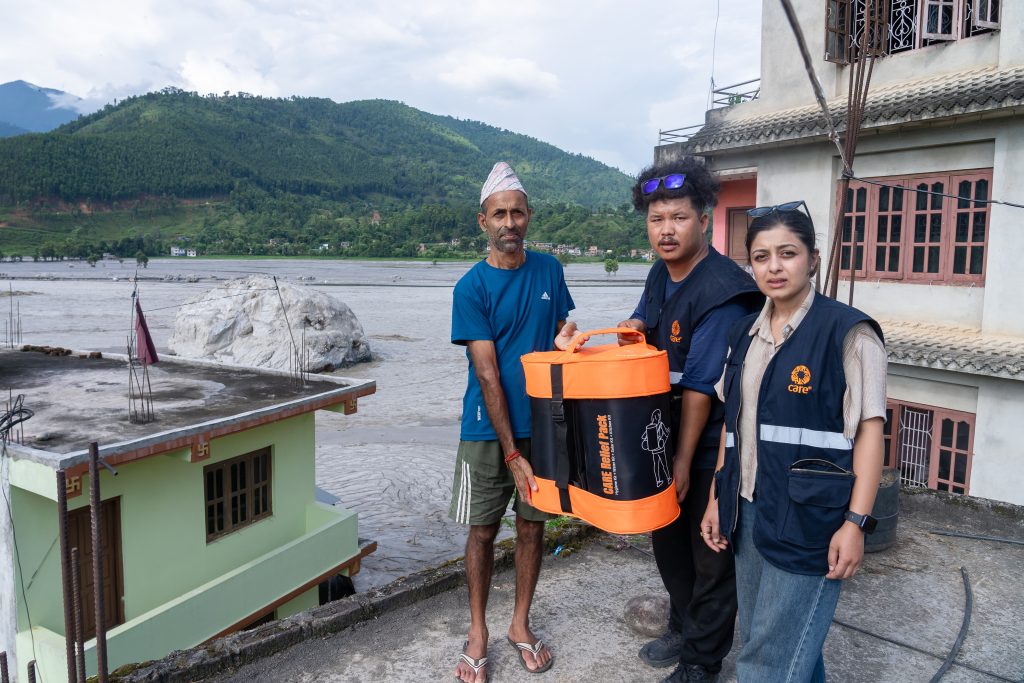
As the immediate response moves forward, the disaster is far from over for the families who lost their homes, routines, and sense of security. Being a part of this response has been both humbling and grounding. It has reminded me that humanitarian work is not only about delivering relief materials and collecting data, but also about witnessing people's stories, their resilience, their fears, and their hopes for the future.