
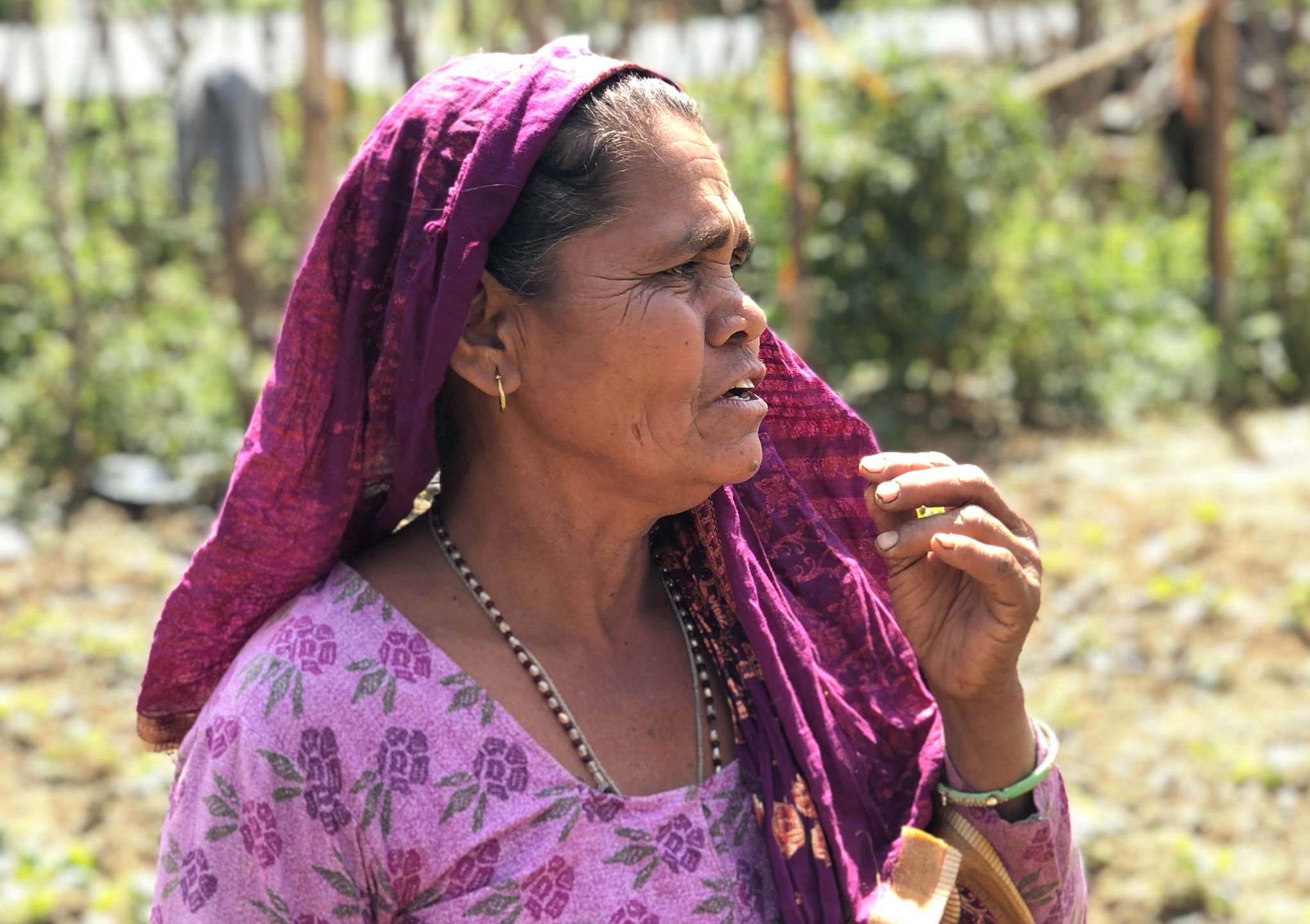
Birmi Khatri Khadka from Pipalchautari, Bheri Municipality-01, Jajarkot, began her journey into vegetable farming in 2022 with the goal of improving her family’s livelihood. Initially, she faced challenges such as limited knowledge of modern farming techniques, resource constraints, and difficulty accessing markets. Her determination to succeed kept her moving forward. In August 2024, she joined the Pipalchautari Women Farmer Group, formed under the Livelihood Reviving Project implemented by Hilly Region Development Campaign (HRDC) with support from the Coca-Cola Foundation and CARE Nepal. Through this initiative, Birmi received training, technical support, and resources to strengthen her agricultural practices. With guidance from HRDC, she selected vegetable farming as her primary livelihood option, developed a business plan, and received a grant of NPR 40,000 (Approx. USD 275) to start winter vegetable farming.
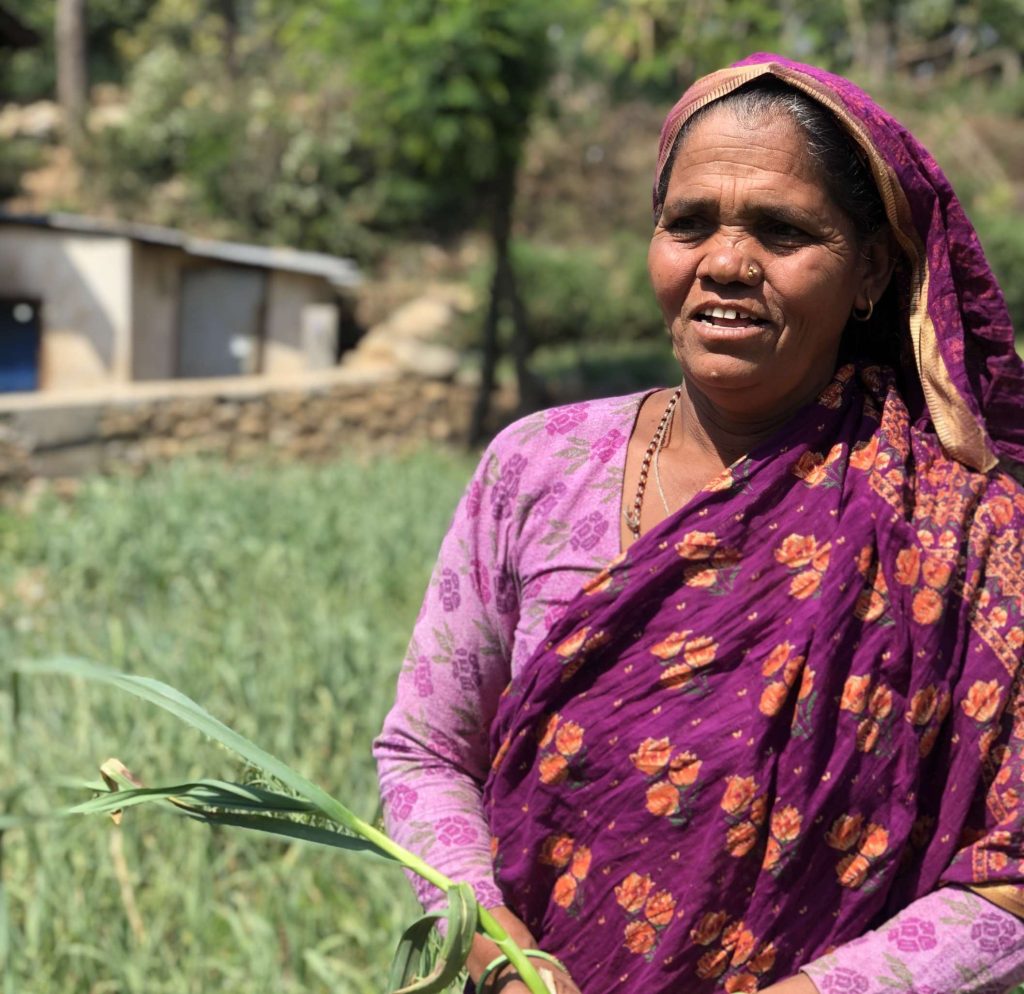
The initial phase was challenging due to unpredictable weather, pest infestations, and inadequate irrigation systems. However, the collective support of the Women Farmer Group helped her adopt improved pest management and water-efficient irrigation techniques. In her second year, she scaled up production and leveraged group networks to access larger markets beyond her village. Her efforts paid off when she earned a total of NPR 18,950 (approximately USD 142) from selling tomatoes and cabbage in nearby markets. By connecting with traders in nearby towns, she secured better prices compared to local rates, significantly increasing her income.
Looking ahead, Birmi plans to diversify her crops by adding herbs and high-value vegetables, invest in modern irrigation systems, and establish storage facilities to reduce post-harvest losses. Her goal is to expand market reach and ensure sustainable income for her family. Birmi’s transformation from a small-scale farmer to a successful entrepreneur demonstrates the power of women’s collective action and targeted support. Her story reflects how CARE Nepal’s partnership with HRDC and local communities is creating pathways for economic empowerment and resilience in rural Nepal.