Project Overview
Tuberculosis remains a major public health challenge in Nepal. In 2023 according to the Global TB Report 2024, 16,000 people died of TB in Nepal, making it one of the country’s top ten causes of death. An estimated 68,000 people in Nepal developed TB, but only 37,447 of these cases were registered by the Department of Health services (DoHS) in FY2023/24, missing around 45% of the estimated total cases. In 2023, the Nepal Anti-Tuberculosis Drug Resistance Survey (2024) estimated 3,000 drug-resistant TB (DR-TB) cases, yet only 639 cases were reported - leaving more than three-quarters of cases undetected. Despite government and Global Fund support for TB treatment services, significant barriers continue to hinder effective TB elimination. On the supply side, health facilities face limited diagnostic capacity, shortages of trained healthcare workers, inconsistent patient counselling, and insufficient community-level investments. On the demand side, stigma, gender-related barriers, low awareness, poverty, and fear of discrimination discourage individuals, particularly women, marginalized groups, and returnee migrants, from seeking timely care. Additionally, weak local ownership, inadequate municipal investment, and limited institutionalization of TB elimination measures constrain the sustainability of TB programming.
To address these barriers, CARE Nepal implements the Sanjeevani (meaning “Restoring Life” in Sanskrit) Project, a 30-month initiative in selected municipalities of Rautahat District, Madhesh Province with a goal to strengthen early detection and diagnosis, improve treatment adherence and continuity of care, and contribute to a sustained reduction in TB incidence and mortality.
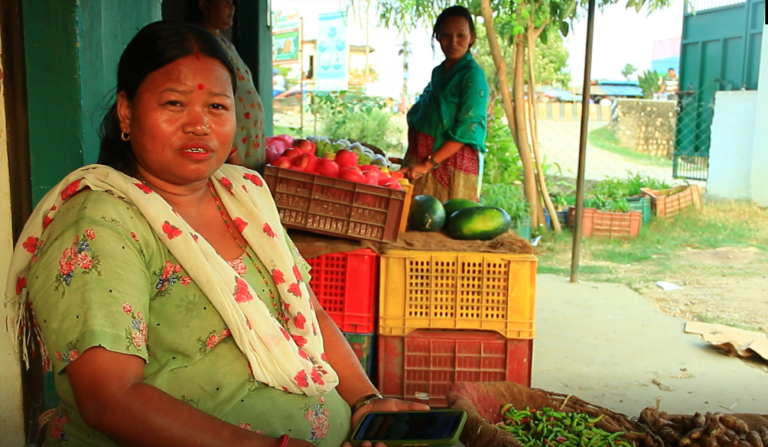
The project will focus on high-risk and vulnerable groups, including migrant workers, women, PLHIV, factory workers, marginalized households, TB patients and their families, and frontline health workers.
Program Objectives
The Sanjeevani Project aims to accelerate progress toward TB elimination in Nepal by improving early case detection, strengthening quality service delivery, enhancing community engagement, and institutionalizing sustainable local governance mechanisms for TB control in high-burden municipalities of Rautahat District.
Objectives:
- To strengthen frontline health workers and health facilities to provide quality, timely, and equitable TB services.
- To enhance community engagement, awareness, and local ownership to improve TB prevention, screening, and diagnosis while reducing stigma and discrimination.
- To strengthen municipal health governance systems to institutionalize the TB Free Municipality Initiative via risk informed local governance in line with the national TB strategy.
Program Approaches
Supply Side: Frontline Health Systems Strengthening
- Strengthen TB service delivery systems by building the capacity of frontline health workers, improving diagnostic services, promoting active case finding, contact tracing, and introducing innovative technologies for early and accurate TB detection.
Demand Side: Community engagement & ownership
- Enhance community engagement and behavior change through awareness campaigns, stigma reduction interventions, and targeted outreach to high-risk populations, including migrants, women, and marginalized communities.
- Empower communities and TB survivors to promote treatment literacy, peer support, health-seeking behavior, and greater community ownership of TB prevention, screening, and care.
- Provide integrated social support and resilience-building measures by linking TB-affected and vulnerable population and households to nutrition, social protection and climate-resilient support mechanisms that improve treatment adherence and well-being.
Sustain: Governance & Multi-stakeholder partnerships
- Strengthen local governance and sustainability by institutionalizing the TB-Free Initiative, improving municipal planning and budgeting for TB and fostering multi-sectoral partnerships for long-term impact.
Expected Key Results
- Strengthened frontline health workers and health facilities to provide quality, timely, and equitable TB services.
- Enhanced community engagement, awareness, and local ownership to improve TB prevention, screening, and diagnosis while reducing stigma and discrimination.
- Strengthened municipal health governance systems to institutionalize the TB Free Municipality Initiative via risk informed local governance in line with the national TB strategy.
Partners and Stakeholders
- Implementing Partner: SPARSHA Nepal
- Strategic Partners: National Tuberculosis Control Center (NTCC), Provincial Ministry of Health and Population, local governments, health facilities, the Global Fund, and other TB stakeholders.